Red and near-infrared light therapy is gaining scientific attention for more than skin, pain, and recovery. A 2025 comprehensive review published in Lasers in Medical Science examined how photobiomodulation — also known as low-level light therapy — influences immune function, inflammation, and immune-related conditions. The review describes photobiomodulation as a non-invasive therapy using red and near-infrared wavelengths, typically in the 600–1000 nm range, to create biological effects in living tissue.
What the Review Found
The article explains that photobiomodulation has meaningful immunomodulatory effects. In simpler terms, red and near-infrared light can help regulate immune activity rather than simply “stimulate” or “suppress” it. This distinction matters. A healthy immune system needs balance. It must respond when needed, calm excessive inflammatory activity when appropriate, and support tissue repair after stress or injury.
According to the review, photobiomodulation influences several immune-related pathways, including mitochondrial function, reactive oxygen species signaling, nitric oxide release, and key inflammatory pathways such as NF-κB and MAPK. These pathways help control how immune cells respond, communicate, and participate in inflammation and repair.
Why Cellular Energy Matters for Immunity
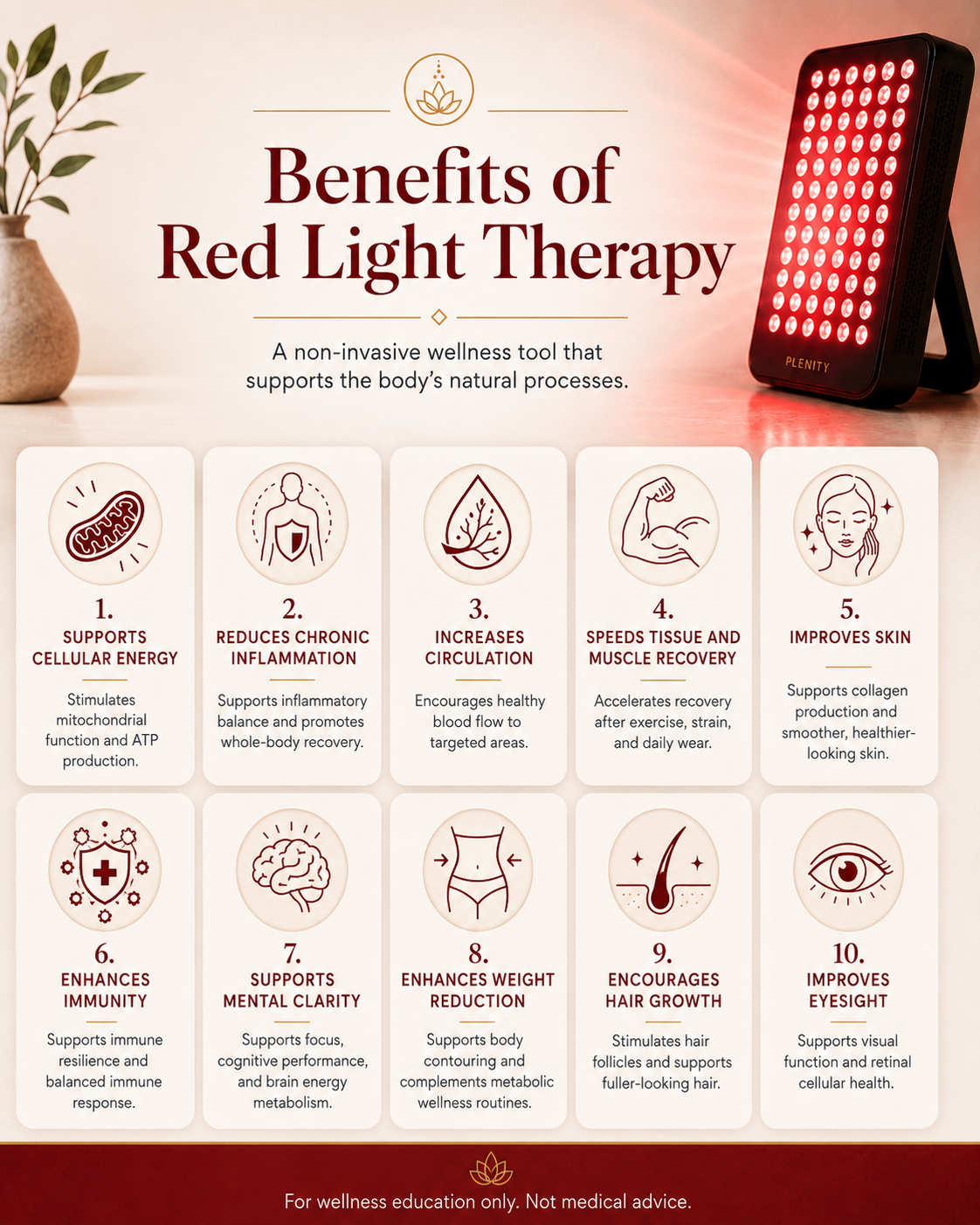
One of the most important takeaways from the review is that photobiomodulation works at the cellular level. Specific wavelengths of light are absorbed by cellular photoreceptors, especially within the mitochondria. This interaction supports mitochondrial activity and ATP production, which gives cells more usable energy for essential functions.
Immune cells require energy to do their jobs. The review notes that photobiomodulation can influence immune functions such as phagocytosis, cytokine signaling, and lymphocyte proliferation. These are key parts of how the body identifies threats, coordinates immune responses, and supports recovery.
Supporting a Balanced Inflammatory Response
Inflammation is not always negative. It is part of the body’s natural defense and repair process. The problem occurs when inflammation becomes excessive, prolonged, or poorly regulated.
The review highlights that photobiomodulation can help fine-tune inflammatory signaling. In pro-inflammatory conditions, PBM has been shown to suppress NF-κB activation and reduce inflammatory cytokines such as TNF-α, IL-1β, and IL-6. This supports the idea that red and near-infrared light therapy can play a valuable role in promoting a healthier inflammatory response.
Effects on Immune Cells
The review discusses several immune cell types affected by photobiomodulation, including macrophages, T cells, and dendritic cells.
Macrophages are important immune cells involved in both inflammation and tissue repair. The article notes that photobiomodulation can promote macrophage activity associated with repair-oriented, anti-inflammatory responses. It also reports that PBM can shift cytokine production toward a more balanced inflammatory state, including lower levels of certain pro-inflammatory cytokines and higher levels of anti-inflammatory mediators such as IL-10 and TGF-β.
The review also describes the influence of photobiomodulation on T cells, including regulatory T cells, which help maintain immune tolerance and prevent excessive immune reactions. This is especially relevant to the scientific conversation around autoimmune and inflammatory conditions.
Immune-Related Conditions Discussed
The article reviews research related to autoimmune diseases, inflammatory conditions, and wound healing. It discusses photobiomodulation in the context of rheumatoid arthritis, lupus, inflammatory bowel disease, asthma, allergic responses, and tissue repair. The review does not present photobiomodulation as a cure for these conditions. Instead, it presents PBM as a promising tool for immune regulation, inflammatory balance, and repair support.
For Apex Wellness, this is an important and responsible distinction. Red light therapy should not be positioned as a replacement for medical care or prescribed treatment. The stronger and more accurate message is that red and near-infrared light therapy supports cellular energy, helps regulate inflammatory signaling, and contributes to the body’s natural repair processes.
What This Means for Everyday Wellness
This review reinforces the broader wellness value of red and near-infrared light therapy. Immune health is not just about fighting illness. It is also about maintaining balance, managing inflammation, supporting recovery, and helping the body function efficiently over time.
Photobiomodulation fits well into a proactive wellness routine because it works with the body’s natural biology. It supports cellular energy production, helps regulate immune signaling, and promotes a healthier inflammatory response. These are foundational processes for long-term vitality and resilience.
A Responsible Takeaway
The science around photobiomodulation and immune function is promising and continues to grow. The review also makes clear that treatment parameters matter. Wavelength, dose, duration, tissue target, and individual health context all influence outcomes. More standardized protocols and long-term studies are still needed.
The takeaway is clear: red and near-infrared light therapy has a scientifically supported role in immune modulation and inflammatory balance. It is not a cure-all, but it is a meaningful wellness tool that supports the body at the cellular level.
At Apex Wellness, we believe prevention, recovery, and vitality begin with helping the body do what it is designed to do: restore, regulate, and heal.
Source: Al Balah, O.F., Rafie, M. & Osama, A.R. “Immunomodulatory effects of photobiomodulation: a comprehensive review.” Lasers in Medical Science, 2025.
Wellness note: This article is for educational purposes only and is not intended to diagnose, treat, cure, or prevent any disease. Individuals with autoimmune disease, inflammatory disorders, cancer, thyroid conditions, or other medical concerns should consult a qualified healthcare professional before beginning red light therapy.