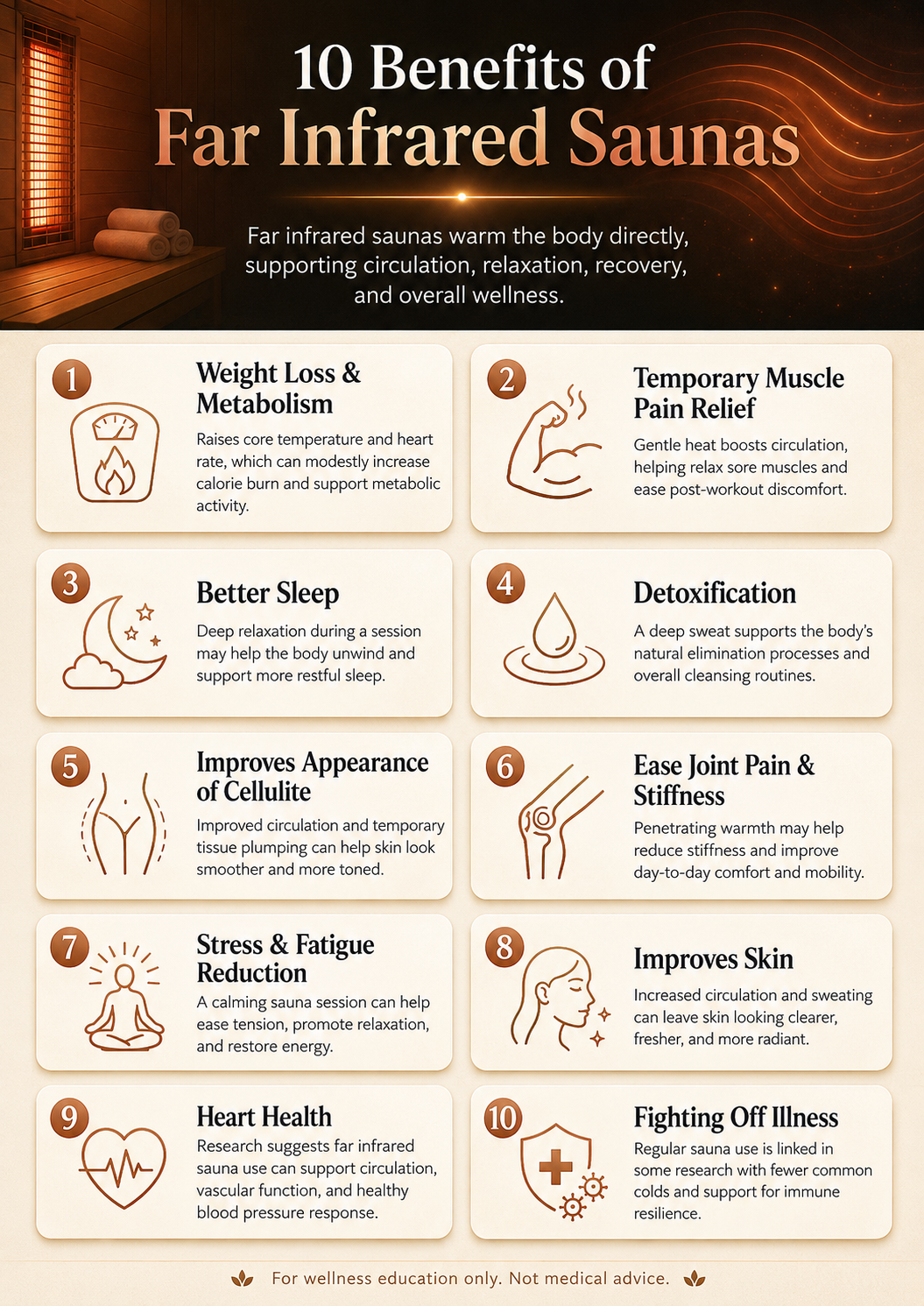
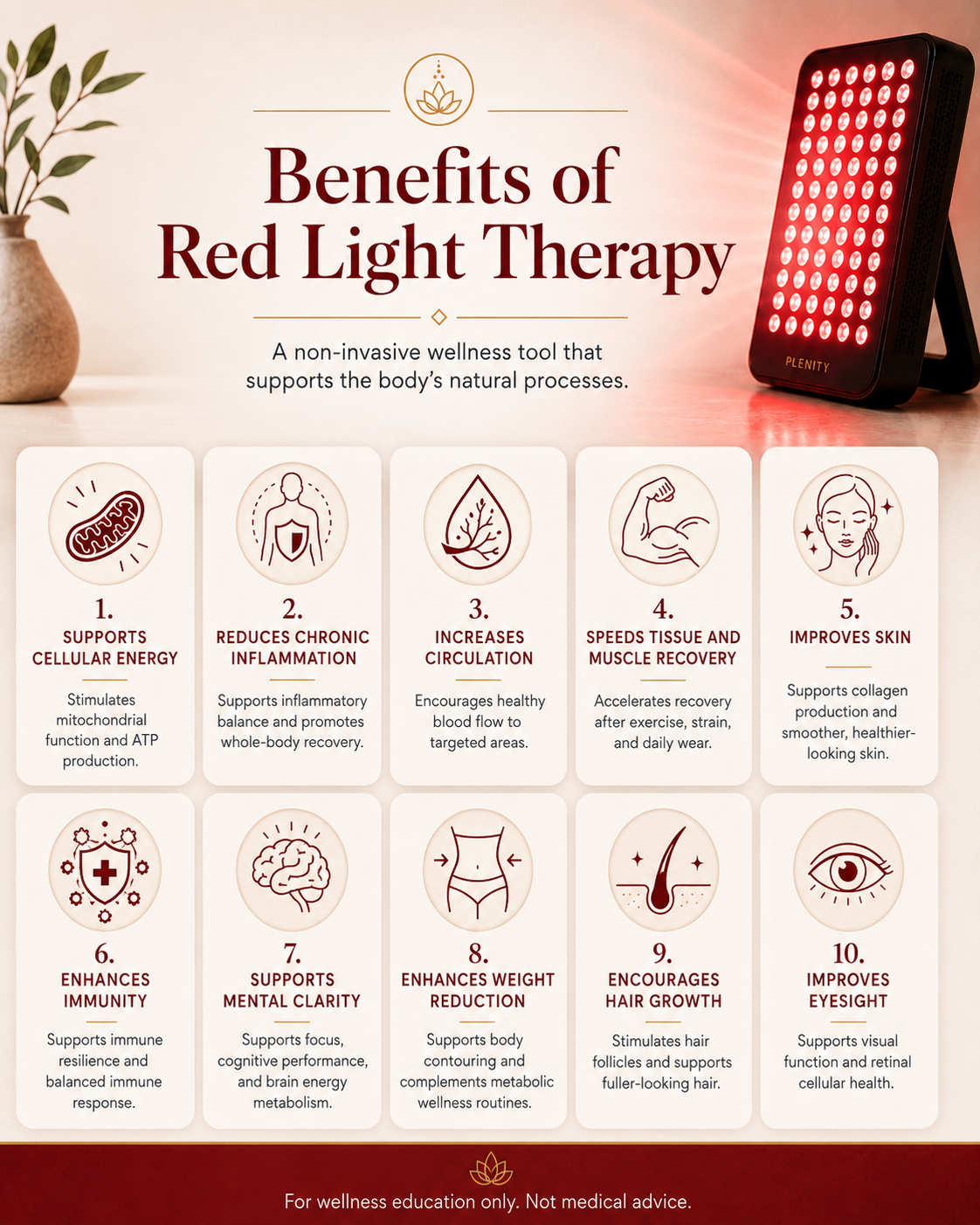
Infrared saunas are often discussed as part of a healthy weight management routine because they create a full-body heat experience that supports circulation, sweating, relaxation, and metabolic activity. They are not a shortcut for fat loss, and they do not replace nutrition, movement, sleep, hydration, or medical guidance. Used consistently, they can become a supportive part of a broader wellness lifestyle.
Unlike traditional saunas, which heat the air around you, infrared saunas use infrared light to warm the body more directly. This allows the sauna to operate at lower, more comfortable temperatures while still creating a strong heat-therapy response. During a session, the body works to regulate its internal temperature. Heart rate increases, blood vessels widen, circulation improves, and sweating begins.
The Connection Between Heat and Metabolism
Metabolism is the process your body uses to convert food and stored energy into fuel. Many factors influence metabolism, including muscle mass, activity level, sleep, stress, hormones, hydration, and overall health.
Infrared sauna use supports metabolism by creating thermal demand. As the body warms, it uses energy to cool itself. This process activates circulation, sweating, and temperature regulation. The result is not the same as exercise, but it does create a physiological response that resembles light cardiovascular activity in some ways.
That is why infrared sauna use is best understood as a complement to healthy habits, not a replacement for them. Exercise builds strength, muscle, endurance, and long-term metabolic capacity. Infrared sauna sessions support the body through heat exposure, circulation, recovery, and relaxation.
Do Infrared Saunas Burn Calories?
Infrared sauna sessions can increase calorie expenditure because the body works harder to cool itself. As core temperature rises, heart rate increases and the body uses energy to maintain balance.
The calorie burn from sauna use is generally modest compared with exercise. The bigger value comes from how infrared sauna sessions support the conditions that make weight management more sustainable: better recovery, reduced stress, improved relaxation, increased circulation, and a routine that encourages consistency.
It is also important to understand the scale. A drop in weight immediately after a sauna session is usually water loss from sweating. That is temporary and should be replaced with proper hydration. Long-term weight management still depends on overall energy balance, nutrition quality, movement, sleep, and consistency.
How Infrared Saunas Support Weight Management
1. They increase thermal demand
Infrared heat raises body temperature, which activates the body’s natural cooling process. This requires energy and supports metabolic activity during the session.
2. They support circulation
Heat causes blood vessels to widen, helping increase blood flow throughout the body. Strong circulation supports oxygen delivery, nutrient movement, and recovery after physical activity.
3. They support sweating
Sweating is one of the body’s natural cooling systems. A deep sweat can leave the body feeling lighter, refreshed, and restored. Hydration before and after sauna use is essential.
4. They support recovery
Infrared sauna use can help relax muscles and reduce post-workout tightness. When the body feels better after exercise, it becomes easier to stay consistent with movement.
5. They support stress reduction
Stress affects appetite, sleep, energy, cravings, and daily decision-making. A sauna session creates a quiet, restorative environment that helps the nervous system settle and supports a healthier daily rhythm.
6. They support metabolic health routines
Research on passive heat exposure shows that repeated heat sessions can improve markers related to glucose metabolism and fat metabolism in overweight adults. This supports the idea that heat therapy has a meaningful role in metabolic wellness when used consistently as part of a healthy lifestyle.
Infrared Sauna Use and Healthy Habits
Infrared sauna sessions work best when paired with a complete wellness routine. That includes regular movement, balanced nutrition, strength training, quality sleep, hydration, and stress management.
For weight management, the sauna is not the entire plan. It is a supportive tool that helps the body recover, relax, sweat, and reset. This makes it especially useful for people who want a restorative practice that fits into an active, health-focused lifestyle.
A Smart Sauna Routine
Beginners should start with shorter sessions at a comfortable temperature. As tolerance improves, session length and frequency can gradually increase. Many people use infrared saunas several times per week as part of a recovery or relaxation routine.
Hydration is important before and after every session. People with cardiovascular conditions, uncontrolled blood pressure, diabetes, kidney disease, pregnancy, heat intolerance, or medications that affect sweating, hydration, or blood pressure should speak with a healthcare professional before using a sauna.
The Bottom Line
Infrared saunas support weight loss and metabolism by helping the body warm, sweat, circulate, relax, and recover. They do not replace exercise or nutrition, and they do not create lasting fat loss on their own. Their value comes from supporting the body’s natural processes and helping people stay consistent with healthier routines.
At Apex Wellness, we view infrared sauna use as part of a proactive wellness lifestyle. It is a restorative practice that supports metabolic activity, recovery, stress reduction, and whole-body balance — helping you feel renewed, recharged, and more connected to your health.
For wellness education only. Not medical advice.