How Red Light Therapy Supports the Body’s Inflammatory Response
Red light therapy, also known as photobiomodulation, uses specific wavelengths of red and near-infrared light to interact with cells in the body. Unlike heat-based therapies, photobiomodulation uses low levels of light that are designed to support cellular function without burning or damaging tissue.
One of the most important areas of research is how red and near-infrared light influence the immune system and the body’s inflammatory response. (See NIH technical study heretarget="_blank" rel="noopener noreferrer">.) Inflammation is part of the body’s natural healing process. It helps protect us after injury, infection, or stress. But when inflammation becomes excessive or long-lasting, it can contribute to pain, slower recovery, tissue stress, and reduced overall wellness.
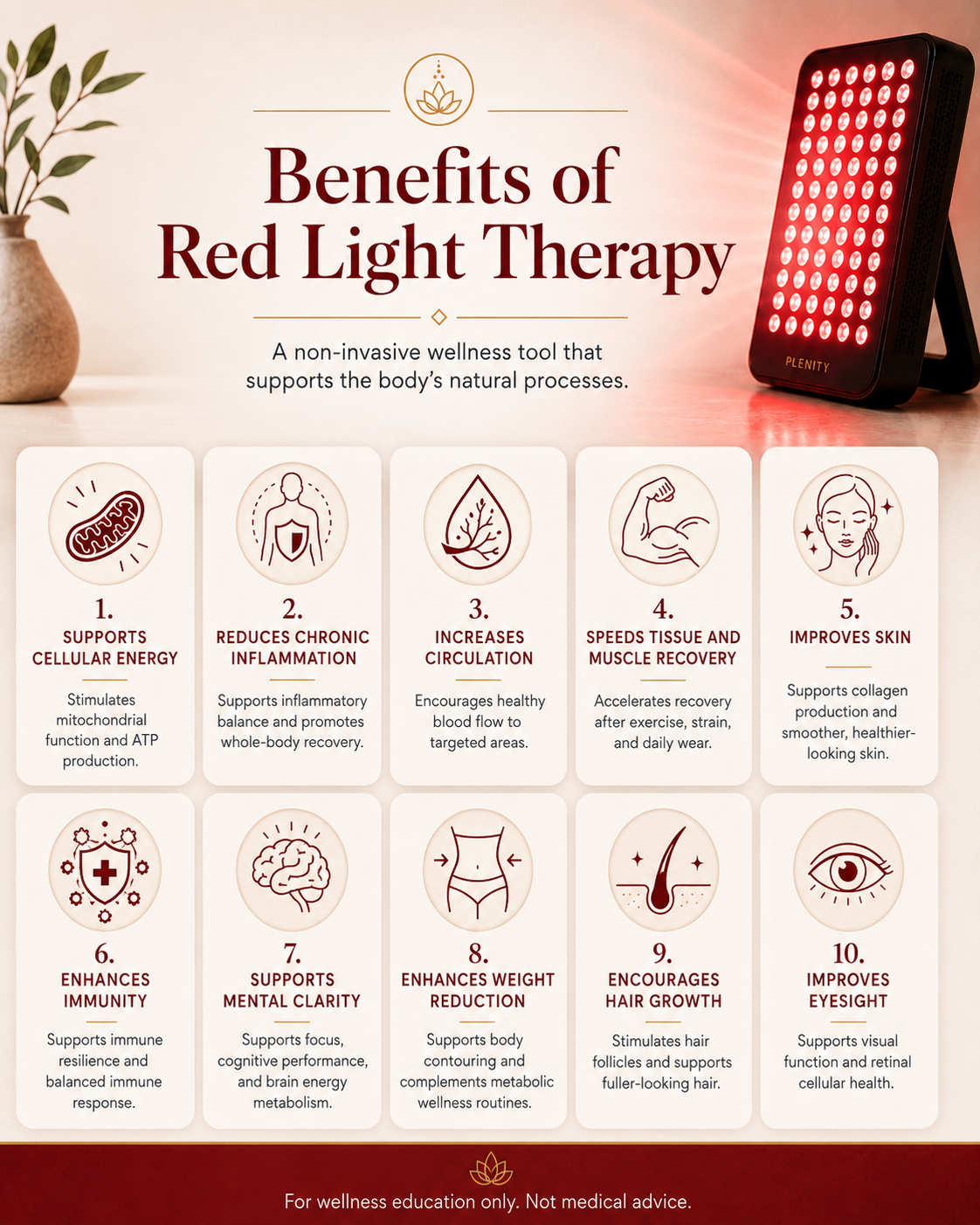
Red light therapy works in part by supporting the mitochondria, often described as the energy centers of cells. When cells absorb certain wavelengths of light, they can improve energy production, cellular signaling, and repair activity. This helps the body respond more effectively to stress, inflammation, and tissue recovery demands.
Research also shows that photobiomodulation influences important immune messengers called cytokines. Cytokines help immune cells communicate with each other. Balanced cytokine activity helps the body respond to injury, irritation, and stress in a more organized way. When cytokine activity becomes overactive, inflammation can become harder for the body to regulate.
Photobiomodulation also affects immune cells such as macrophages, T cells, and dendritic cells. These cells help coordinate the immune response, clear damaged tissue, and support healing. Red and near-infrared light help guide immune activity away from excessive inflammation and toward repair, recovery, and tissue balance.
This does not mean red light therapy is a cure for autoimmune disease, chronic pain, or inflammatory disorders. Results vary based on the person, the condition, the device, the wavelength, the dose, the distance from the body, and the consistency of use.
Current research helps explain why red and near-infrared light are widely studied for recovery, wound healing, pain management, tissue repair, and inflammatory conditions. The key takeaway is that light does more than warm the skin. At the right wavelength and dose, it supports the body’s natural ability to regulate stress, inflammation, and repair.
For anyone considering red light therapy, it is important to choose a quality device, follow usage instructions carefully, protect the eyes when recommended, and speak with a healthcare professional if you have a medical condition, are pregnant, take photosensitizing medications, or are receiving treatment for a serious illness.
Red light therapy is not a replacement for medical care. It is best understood as a supportive wellness tool that helps create a healthier environment for recovery, balance, and everyday restoration.